Bohea Tea defined in an 1811 dictionary
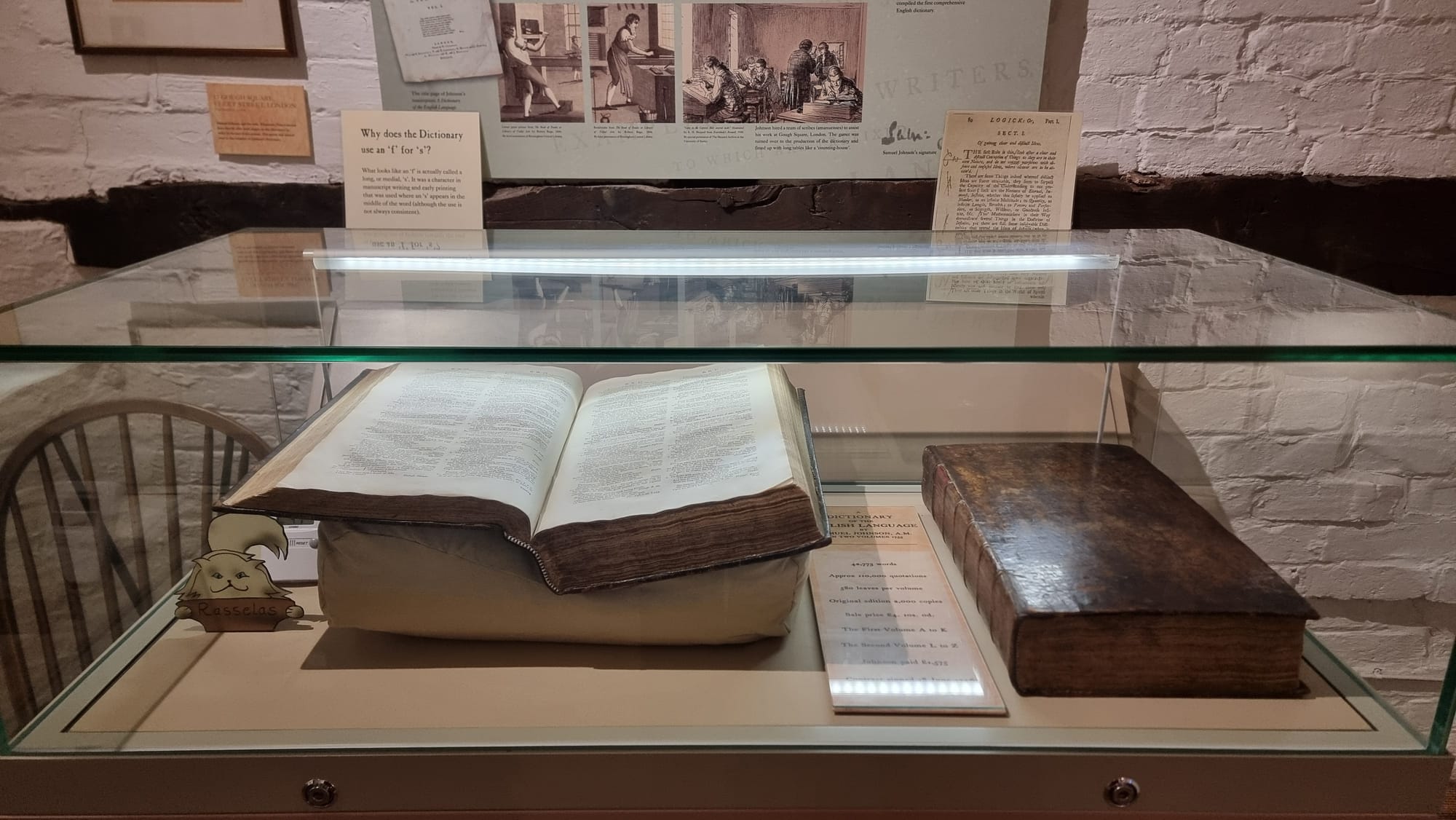
After visiting the wonderful Samuel Johnson museum in Lichfield last week (Nov 2026), and seeing his very own tea cup, I was inspired to continue the studies of tea in Regency Britain that I began when writing 'The Little Regency Tea Shop'.
When traders from Europe first began buying tea in 17th-century Guangzhou, imports of green tea dominated their cargoes. The oxidised varieties they purchased came mainly from the Wuyi region. The English adapted the term bohea from the way "Wuyi" was pronounced in the local Hokkien dialect, bo-hee (like go-see).
The definition of bohea from my 1811 edition of Barclay's Regency dictionary reflects this use of the term.
"BOHEA, s. [Chin.] one of the best teas which comes from China, and is the second gathering; for all teas grow on the same plant, and differ only according to the season of gathering, and the method of drying. After it is gathered, it is dried in pans over a fire, and rolled up in the form we have it, by a person employed for that purpose; the juice or oil of the plant, which then moistens the hands, being of so corroding a nature, that it often eats into the flesh, and produces the same effect as a caustic. Bohea tea is very serviceable, and where it agrees with a person excels all other vegetables for preventing sleepiness or dullness, for taking off weariness or fatigue; for raising the spirits; corroborating the memory, and other faculties which depend on a true temperature of the brain, if used chiefly in an afternoon, drank moderately, and not too hot, as is the general custom."
For a while, bohea was the generic term for every dark, heavily oxidised tea on the market. However, gradually distinctions were made between dark teas made from the different gatherings. Note that the definition above refers to the 'second gathering', because at this time, bohea was still considered a good quality tea.
In Regency times, the Wuyi harvest was divided into seasonal pickings that determined the grade and price of the tea exported to Britain and the colonies. The first gathering was in the spring, picked in April and May. The second gathering was in the summer, traditionally picked in early June, and it was the main harvest in Wuyi. This gathering was also known as the second spring, or second great gathering.
Gradually, speciality teas from these first and second gatherings became known by specific terms, such as Lapsang Souchong, and eventually, as the years passed, the term 'bohea' was reserved only used for black teas of the lowest quality made from later mid-to-late summer gatherings. These later harvests were inferior, coarse and woody, and they were often blended in Canton to create cheap 'Canton bohea' for the masses.
Today, bohea is no longer used as a standard trade classification for tea. Instead, the term bohea is seen most often in tea leaf grading charts, to define teas made from the largest, lowest-grade leaves on a stem.
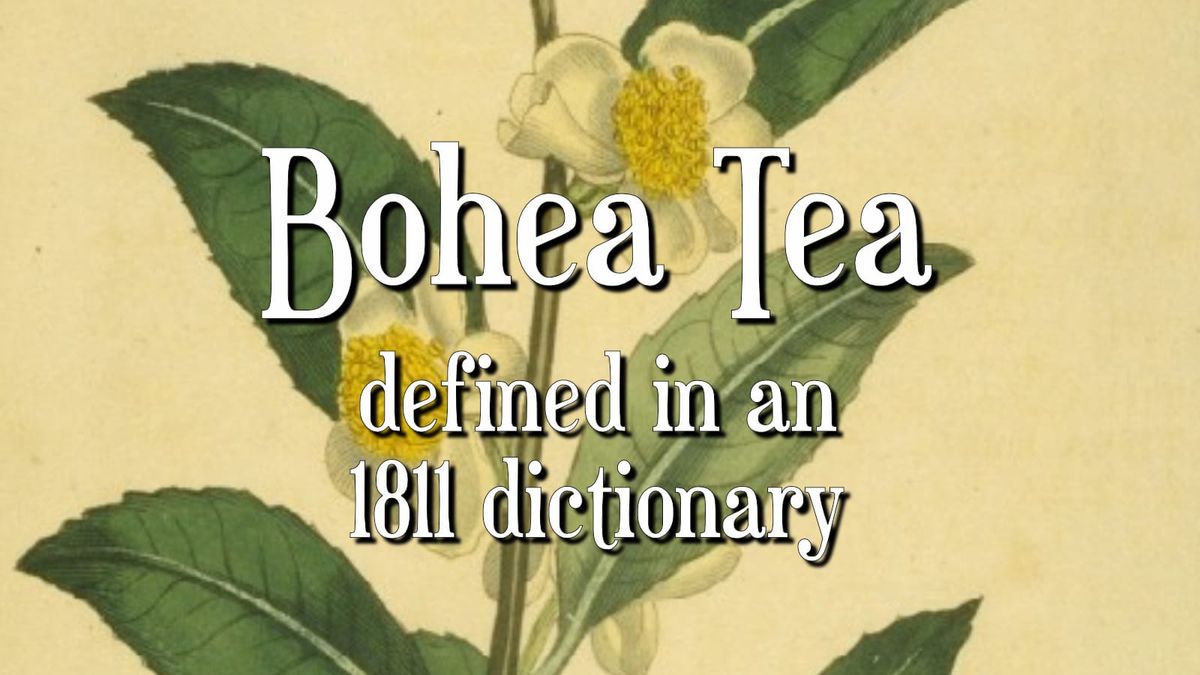
The image above, of the plant Camellia sinensis (L.) Kuntze var. bohea, is from Curtis's Botanical Magazine (1807) via Wikimedia Commons.